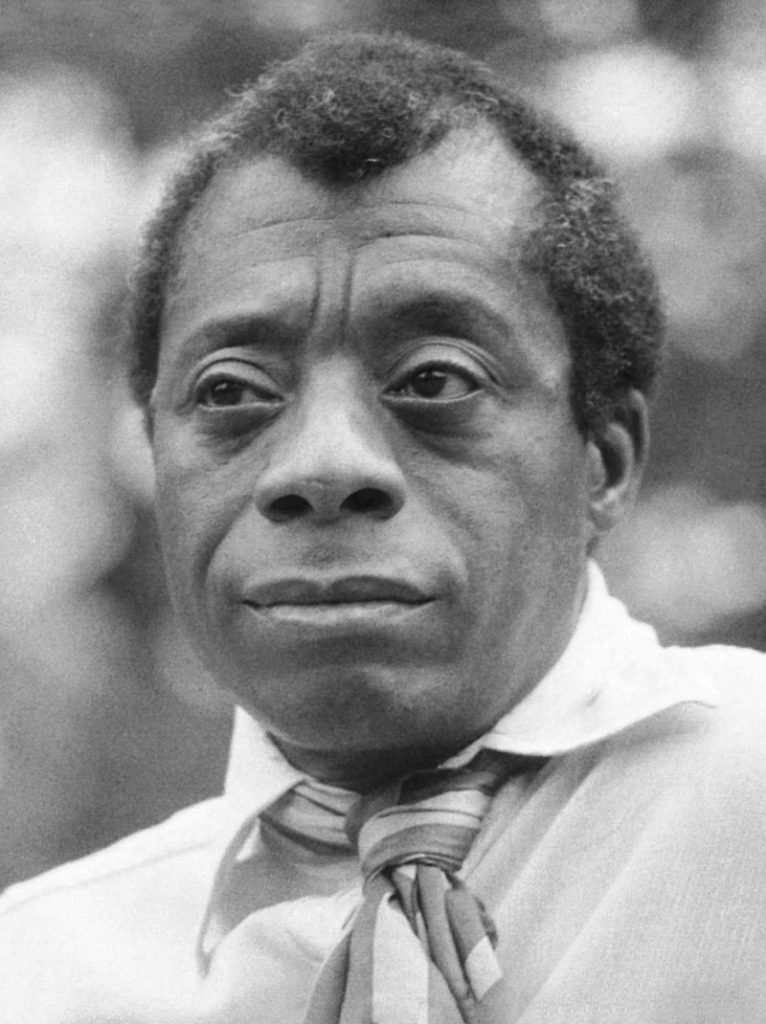
James Baldwin
James Arthur Baldwin was born in Harlem and raised in poverty by a strict stepfather who was a storefront preacher. He became a teen preacher himself before losing his faith and turning to writing as his calling.
At 24, he left America for Paris, where he could write freely about race and sexuality. His debut novel, Go Tell It on the Mountain (1953), was followed by a string of masterworks: Giovanni's Room, Another Country, The Fire Next Time, and If Beale Street Could Talk.
Baldwin became one of the most important voices of the civil rights era, debating segregationists, advising leaders, and writing with a moral clarity that cut through the noise. His essays on race, collected in Notes of a Native Son and The Fire Next Time, remain essential reading for anyone trying to understand America.
"Not everything that is faced can be changed, but nothing can be changed until it is faced."— James Baldwin
Key Milestones
A Life in Firsts
In Their Words
Notable Quotes
Not everything that is faced can be changed, but nothing can be changed until it is faced.
Love takes off the masks that we fear we cannot live without and know we cannot live within.
Children have never been very good at listening to their elders, but they have never failed to imitate them.