Ralph Ellison
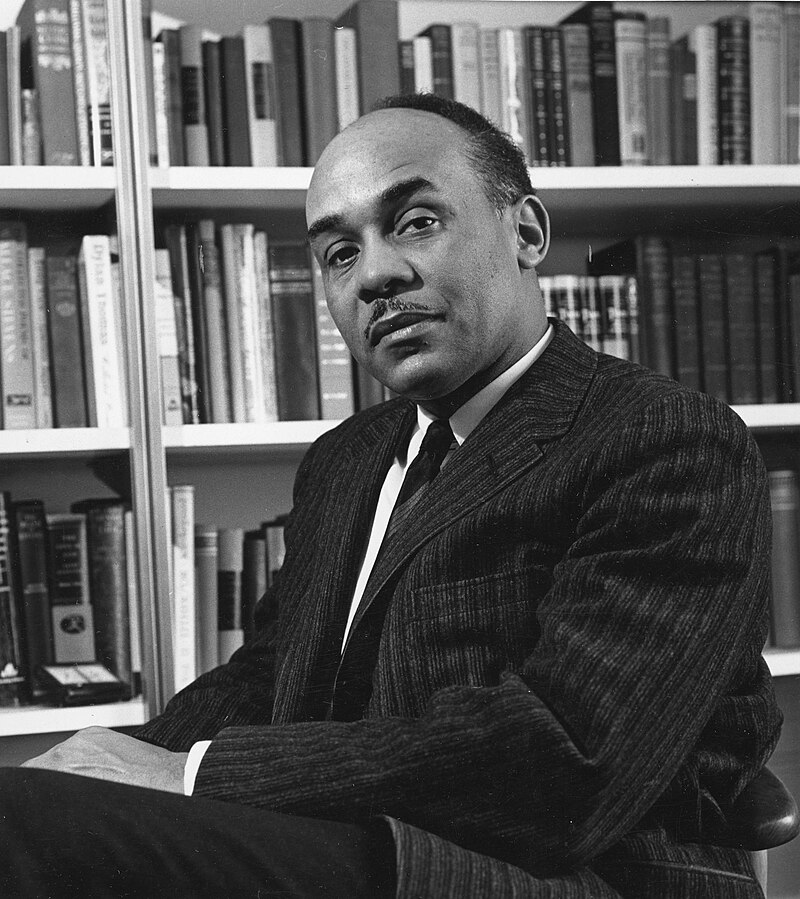
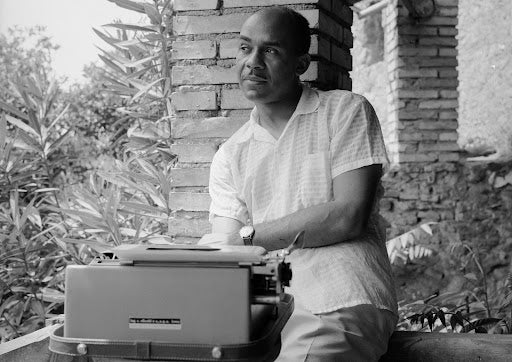
Ralph Waldo Ellison wrote one novel — Invisible Man, published in 1952 — and it was enough to secure his place as one of the most important American writers of the twentieth century. The book won the National Book Award and has been consistently ranked among the greatest American novels ever written. Its opening line — "I am an invisible man" — became one of the most quoted sentences in American literature.
Born in Oklahoma City in 1913, Ellison was named after Ralph Waldo Emerson by a father who hoped his son would become a poet. He attended Tuskegee Institute on a music scholarship, studying trumpet and classical composition, before moving to New York City in 1936. There he met Richard Wright and Langston Hughes, who encouraged his literary ambitions.
Invisible Man took Ellison seven years to write. The novel follows an unnamed Black narrator from the South to Harlem, exploring identity, racism, and the American experience with a literary sophistication that drew on jazz, blues, folklore, and the Western literary canon. Ellison spent the rest of his life working on a second novel — a manuscript of over 2,000 pages that was partially destroyed in a fire and published posthumously as Juneteenth. He is proof that a single work of genius can define a lifetime.
I am invisible, understand, simply because people refuse to see me.— Ralph Ellison
Key Milestones
A Life in Firsts

Keep Exploring