Desmond Tutu
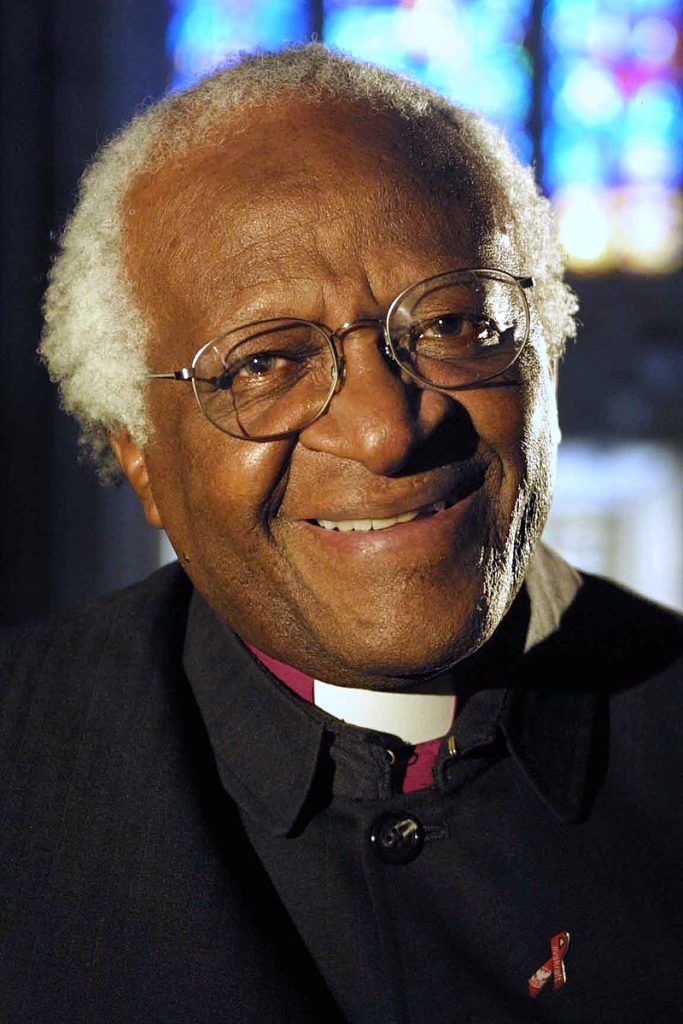
Archbishop Desmond Mpilo Tutu was the moral conscience of the anti-apartheid movement in South Africa and a global symbol of nonviolent resistance to injustice. As the first Black Anglican Archbishop of Cape Town, he used his pulpit to speak truth to the apartheid regime when doing so could cost one's life. In 1984, he was awarded the Nobel Peace Prize for his leadership in the struggle against South Africa's system of racial segregation.
Born in Klerksdorp, South Africa, in 1931, Tutu originally trained as a teacher but turned to theology after the apartheid government's Bantu Education Act degraded Black schooling. Ordained in 1961, he rose through the Anglican church while becoming an increasingly vocal critic of apartheid. His strategy combined moral persuasion, international advocacy, and economic pressure — he was among the first prominent voices calling for divestment sanctions against South Africa.
After apartheid fell and Nelson Mandela became president, Tutu chaired the Truth and Reconciliation Commission, leading South Africa through the agonizing process of confronting its past without descending into retribution. His theology of ubuntu — the belief that our humanity is bound up in one another's — became his lasting gift to the world.
My humanity is bound up in yours, for we can only be human together.— Desmond Tutu
Key Milestones