George Washington Carver
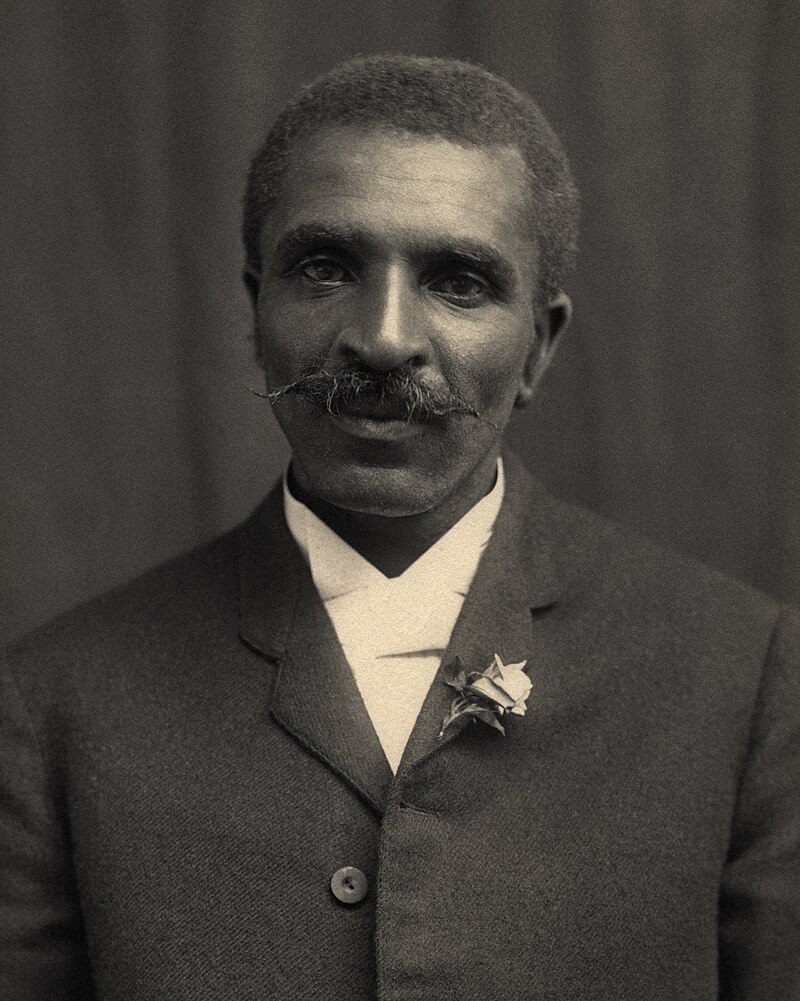
George Washington Carver was born into slavery in Diamond, Missouri, around 1864, and became one of the most important agricultural scientists in American history. His research at Tuskegee Institute revolutionized Southern agriculture by promoting alternatives to cotton — which had devastated the soil — and developing hundreds of products from peanuts, sweet potatoes, and soybeans. He transformed the peanut from a marginal crop into an agricultural and commercial powerhouse.
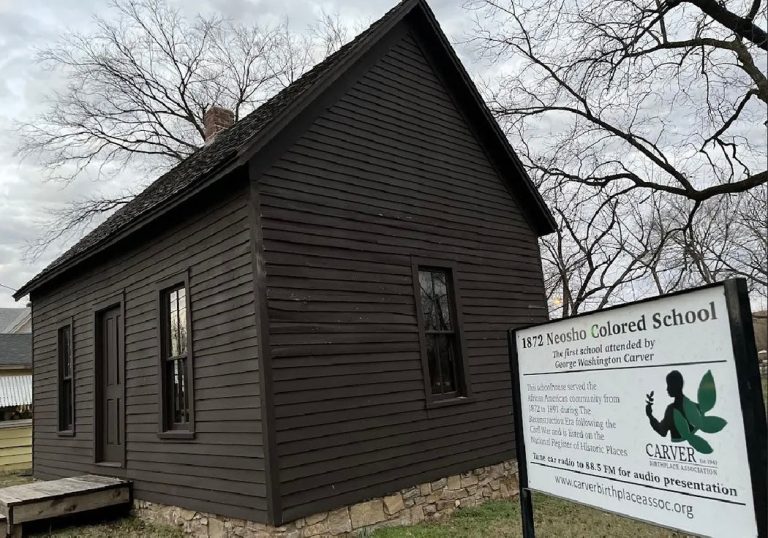
Stolen as an infant along with his mother by Confederate raiders, Carver was raised by his former enslavers, Moses and Susan Carver. He showed an early fascination with plants that earned him the nickname "the plant doctor." After being rejected by Highland University in Kansas because of his race, he eventually earned his master's degree from Iowa State — the first Black student at the institution.
Booker T. Washington recruited Carver to lead Tuskegee's agriculture department in 1896, and he stayed for 47 years. His most famous contribution was identifying over 300 products that could be derived from peanuts, including dyes, plastics, and gasoline. But his broader mission was teaching poor Southern farmers — Black and white — sustainable practices that could break the cycle of debt and soil depletion. He refused to patent most of his discoveries, believing they belonged to the people.
When you do the common things in life in an uncommon way, you will command the attention of the world.— George Washington Carver
Key Milestones
A Life in Firsts

Keep Exploring