Augusta Savage
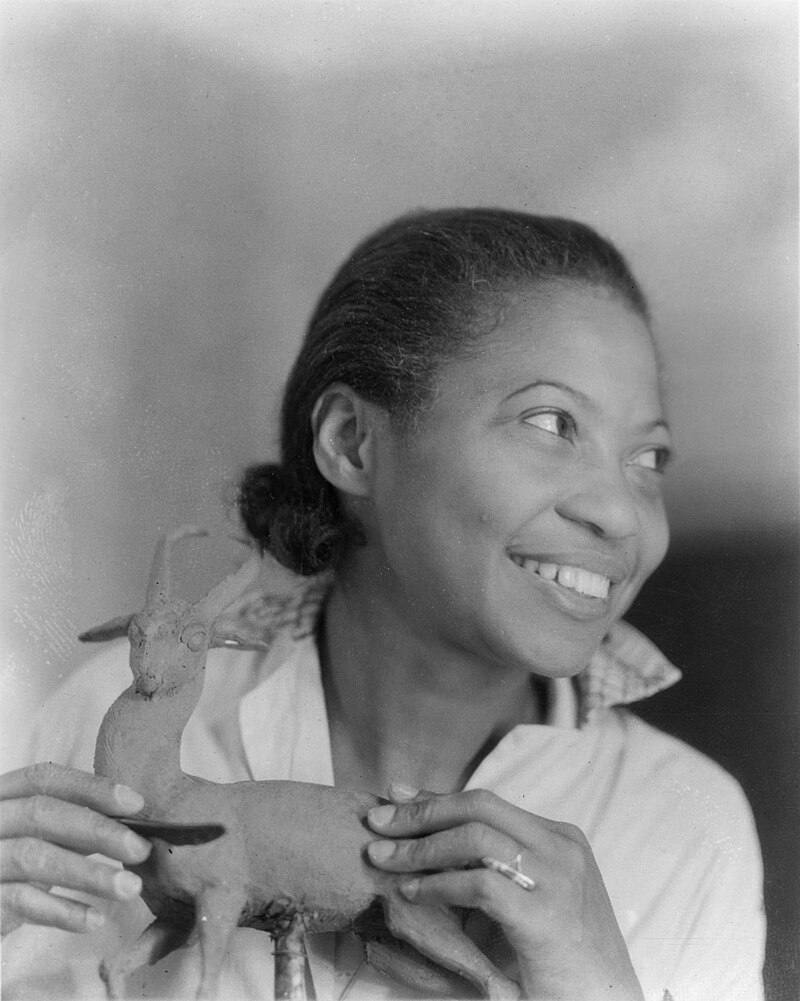
Augusta Christine Fells Savage was the sculptor who shaped the Harlem Renaissance — both literally and figuratively. As an artist, she created powerful busts and figures that celebrated Black beauty and dignity. As a teacher and advocate, she opened doors for an entire generation of Black artists, founding the Savage Studio of Arts and Crafts in Harlem and fighting publicly against the racial discrimination that kept Black artists out of institutions and opportunities.
Born in Green Cove Springs, Florida, in 1892, Savage showed artistic talent as a child, sculpting small figures from the red clay near her home. Her father, a Methodist minister, considered her sculptures sinful and beat her for making them. She persisted. A high school principal recognized her gift and encouraged her to pursue formal training. She moved to New York in 1921 and was accepted to Cooper Union, completing the four-year program in three years.
In 1923, Savage was denied a summer art program in France because she was Black — and rather than accept the rejection quietly, she went public, bringing national attention to racial discrimination in the arts. Her 1939 World's Fair sculpture, The Harp (also called Lift Every Voice and Sing), was one of the most celebrated works at the fair. Tragically, it was destroyed after the fair because there was no money to cast it in bronze.
I have created nothing really beautiful, really lasting, but if I can inspire one of these youngsters to develop the talent I know they possess, then my monument will be in their work.— Augusta Savage
Key Milestones
A Life in Firsts

Keep Exploring