Duke Ellington
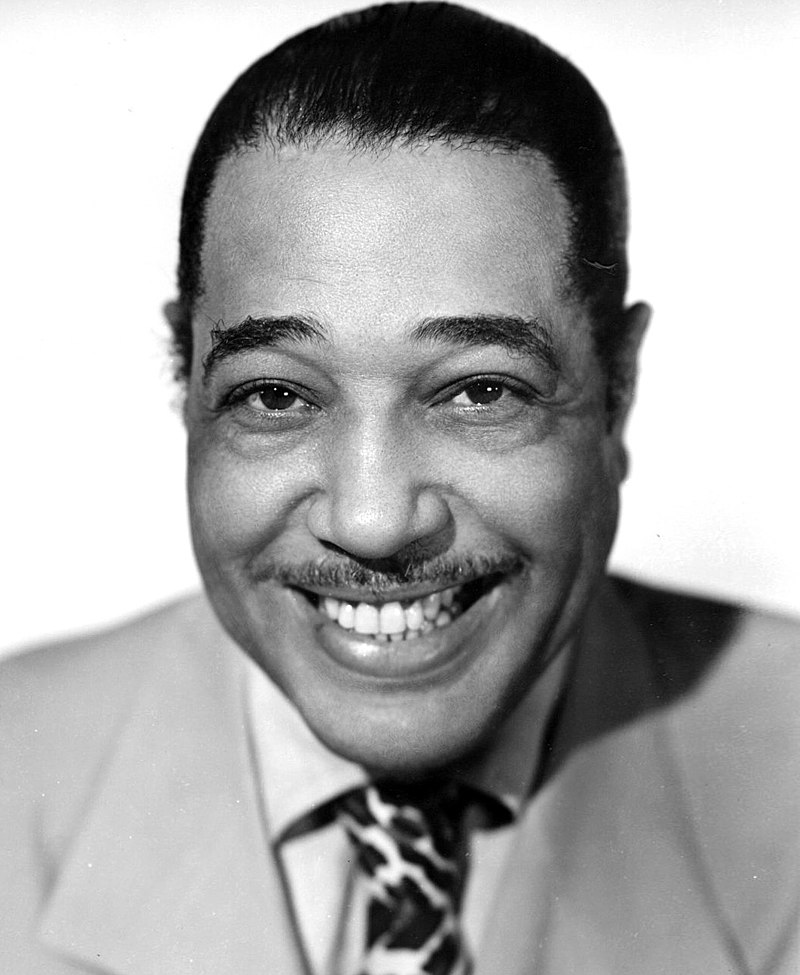
Edward Kennedy "Duke" Ellington composed over 3,000 works across a career spanning more than fifty years, making him the most prolific and arguably the most important composer in the history of American music. From "It Don't Mean a Thing (If It Ain't Got That Swing)" to "Take the 'A' Train" to the sacred concerts of his later years, Ellington's music defined jazz, transcended genre, and proved that Black American artistic expression was the soundtrack of the twentieth century.
Born in Washington, D.C., in 1899, Ellington grew up in a middle-class household that instilled in him what he called "a sense of the elegant." He began piano lessons at seven, started playing professionally as a teenager, and moved to New York in 1923. His residency at the Cotton Club in Harlem, broadcast live on radio, made him a national sensation.
Ellington's genius was not just in composition but in orchestration — he wrote for specific musicians, treating his band members' individual voices as instruments within his larger musical vision. Billy Strayhorn, his longtime collaborator, described their partnership as one of the great creative relationships in music history. Ellington received the Presidential Medal of Freedom in 1969 and performed until shortly before his death in 1974.
It don't mean a thing if it ain't got that swing.— Duke Ellington
Key Milestones
A Life in Firsts
Keep Exploring