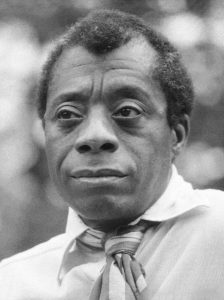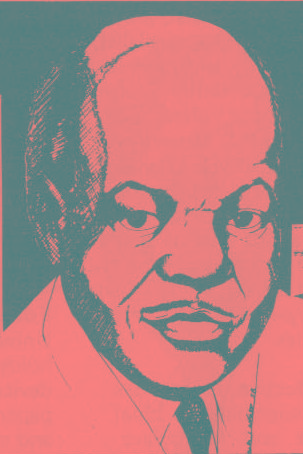
Otis Boykin
Otis Frank Boykin invented the precision resistor that made the implantable cardiac pacemaker possible — a device that has saved millions of lives worldwide. His improved electrical resistors were also used in guided missiles, computers, and radios, making him one of the most consequential Black inventors of the twentieth century, even as his name remained largely unknown to the public.
Born in Dallas, Texas, in 1920, Boykin attended Fisk University and later studied at the Illinois Institute of Technology, though he was unable to complete his graduate degree due to financial constraints. He worked as a laboratory assistant and began developing improvements to electrical components that would earn him over 26 patents.
Boykin's wire precision resistor, patented in 1959, could withstand extreme conditions and was far cheaper to manufacture than existing alternatives. This made it ideal for military and medical applications. His most famous invention, a control unit for the implantable pacemaker, used his resistor technology to precisely regulate electrical impulses to the heart. The cruel irony of his story is that Boykin himself died of heart failure in 1982 — of the very condition his invention was designed to treat.
Attributed: Innovation should serve humanity first.— Otis Boykin
Key Milestones
A Life in Firsts
Keep Exploring