A love letter. A flag. And a reminder.
When people think of museums, they often think of old paintings or quiet exhibits behind glass. But for us, museums are something different. They’re not just places that store history — they protect it. And in a time when the truth is constantly being challenged, that protection matters more than ever.
Black museums preserve the stories textbooks left out. They hold the photos, letters, clothes, tools, instruments, and art that prove we were here. And that we’ve always been more than what history books tried to make us out to be.
They capture the full picture: the pain and the power. The resistance and the joy.
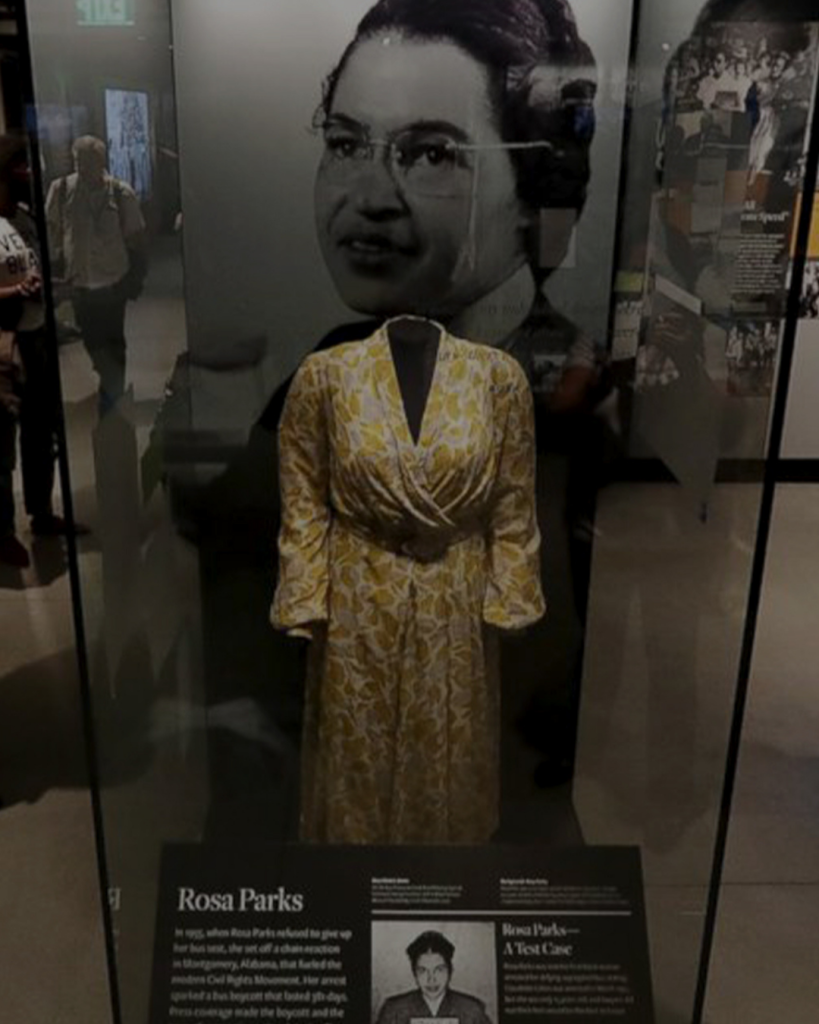
But these artifacts didn’t just appear. They were collected, donated, and safeguarded — often by families, elders, and freedom fighters who knew how important it was to keep the proof. Some gave up personal heirlooms. Others saved items from basements and barns. Some curators drove across the country just to capture oral histories before they were lost. All because they understood: erasure isn’t random. It’s a strategy.
That’s why Black museums exist. And why they’ve always been necessary.
The very first Black museum in the U.S. opened in 1868 — the Hampton University Museum. Since then, dozens more have opened across the country, often built against the odds:
The DuSable Museum of African American History in Chicago

The Charles H. Wright Museum in Detroit

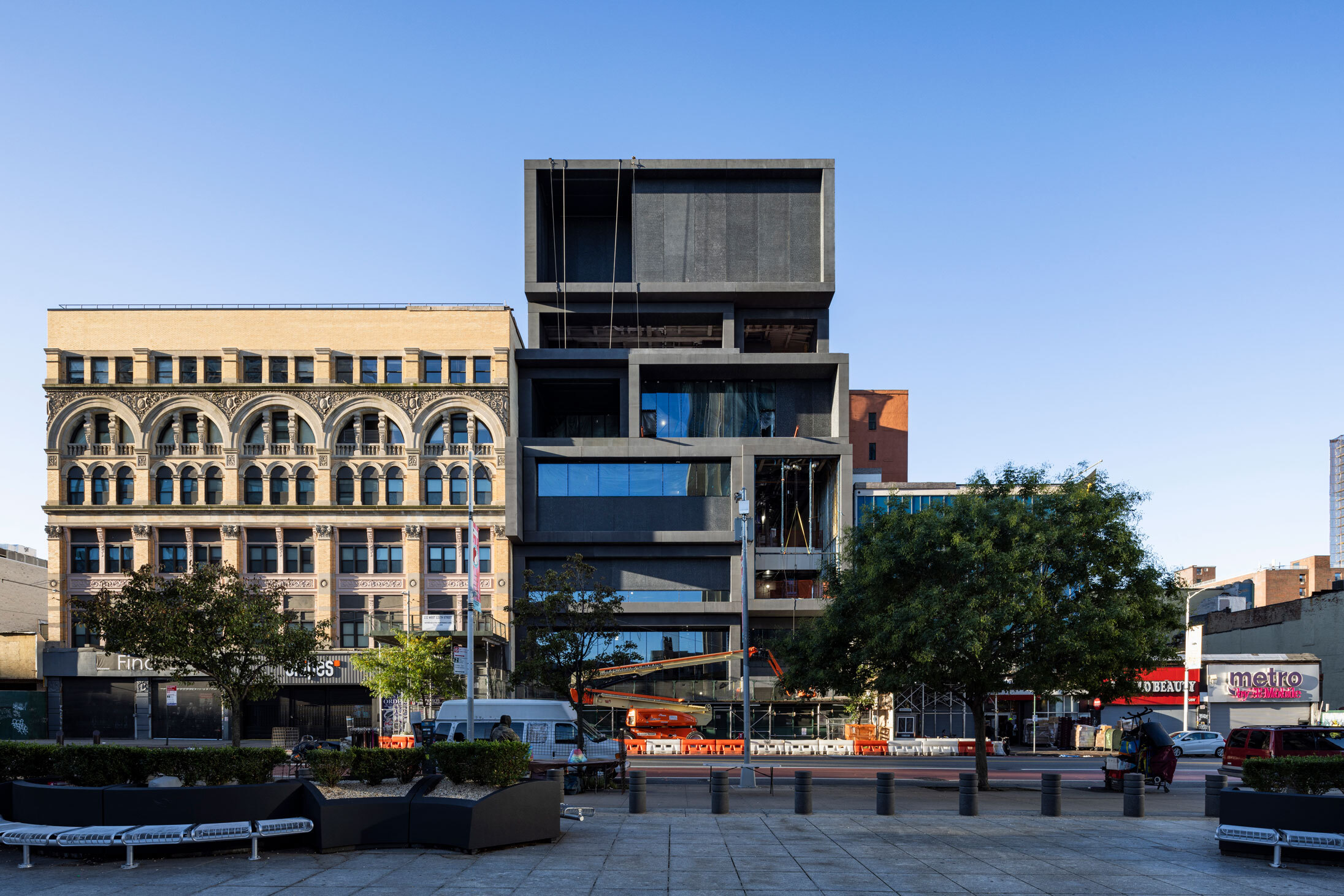
The Studio Museum in Harlem
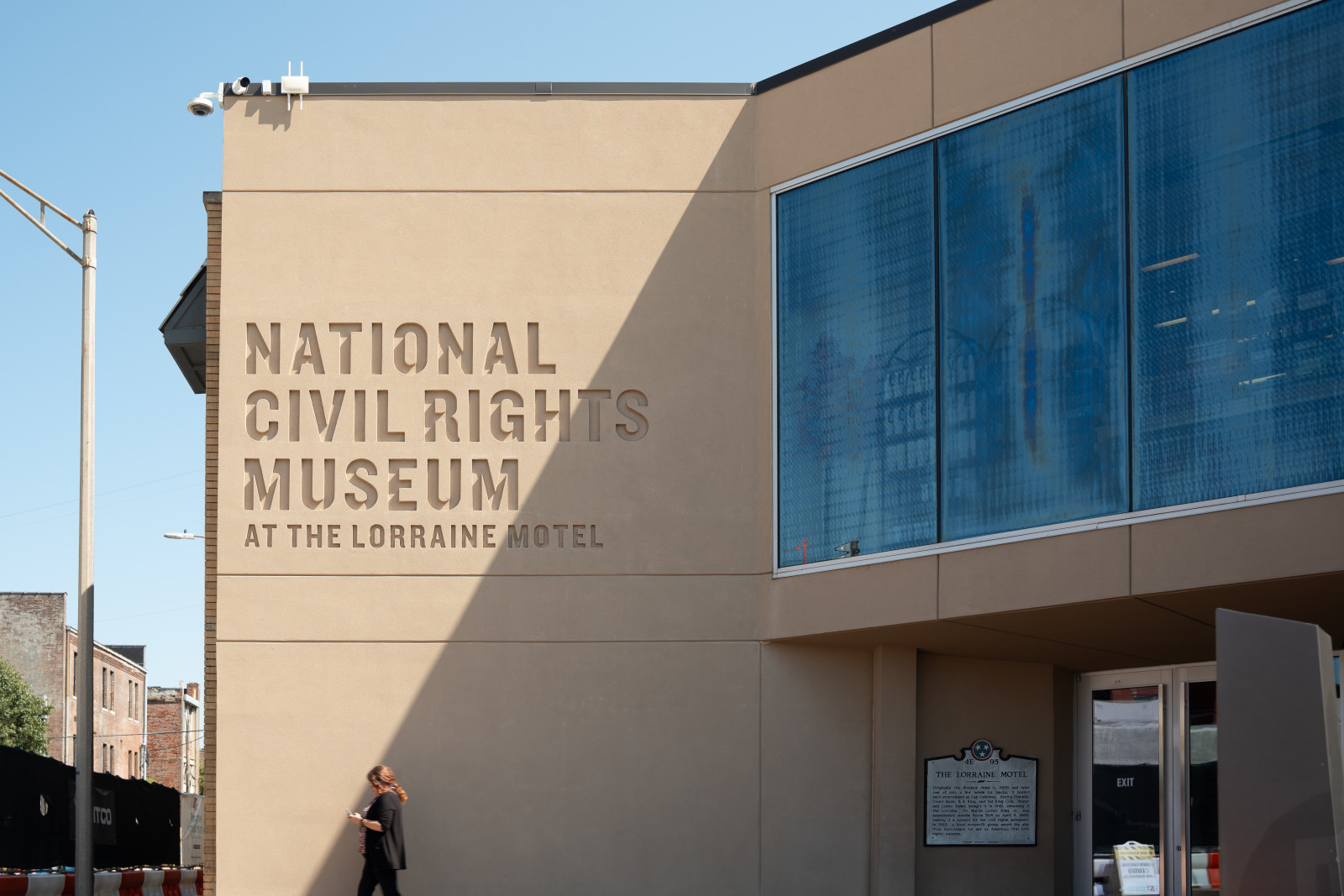
The National Civil Rights Museum in Memphis
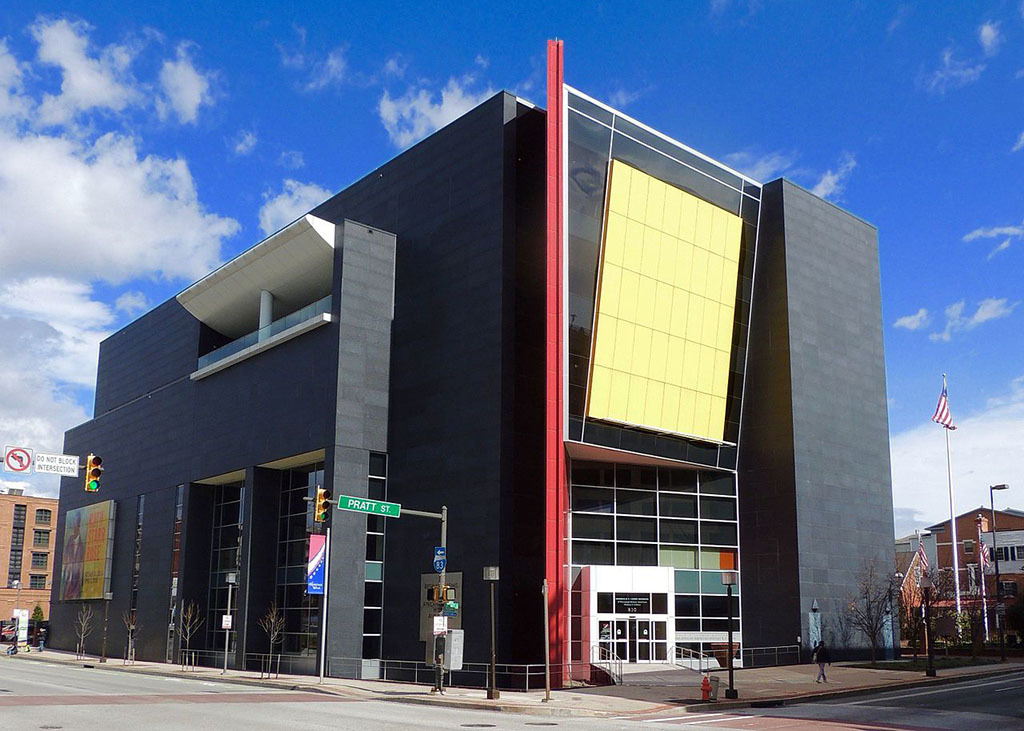
The Reginald F. Lewis Museum in Baltimore
And in 2016, after nearly 100 years of advocacy, the Smithsonian’s National Museum of African American History and Culture (NMAAHC) opened on the National Mall in Washington, D.C.
It wasn’t just a win. It was a witness.
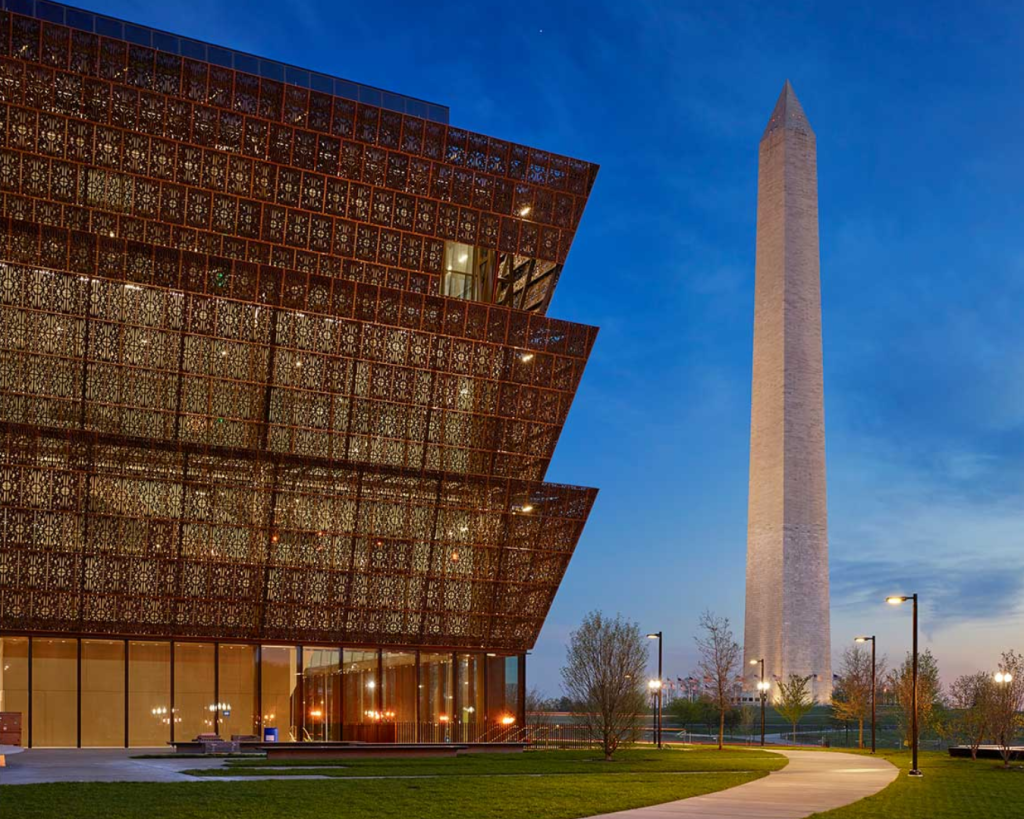
Inside are more than 40,000 artifacts: Harriet Tubman’s hymnal. Chuck Berry’s Cadillac. Trayvon Martin’s hoodie. Ferguson protest signs. It’s the kind of museum you can’t fully take in with one visit. It punctuates the point: our history is too deep, too wide, and too important to rush.
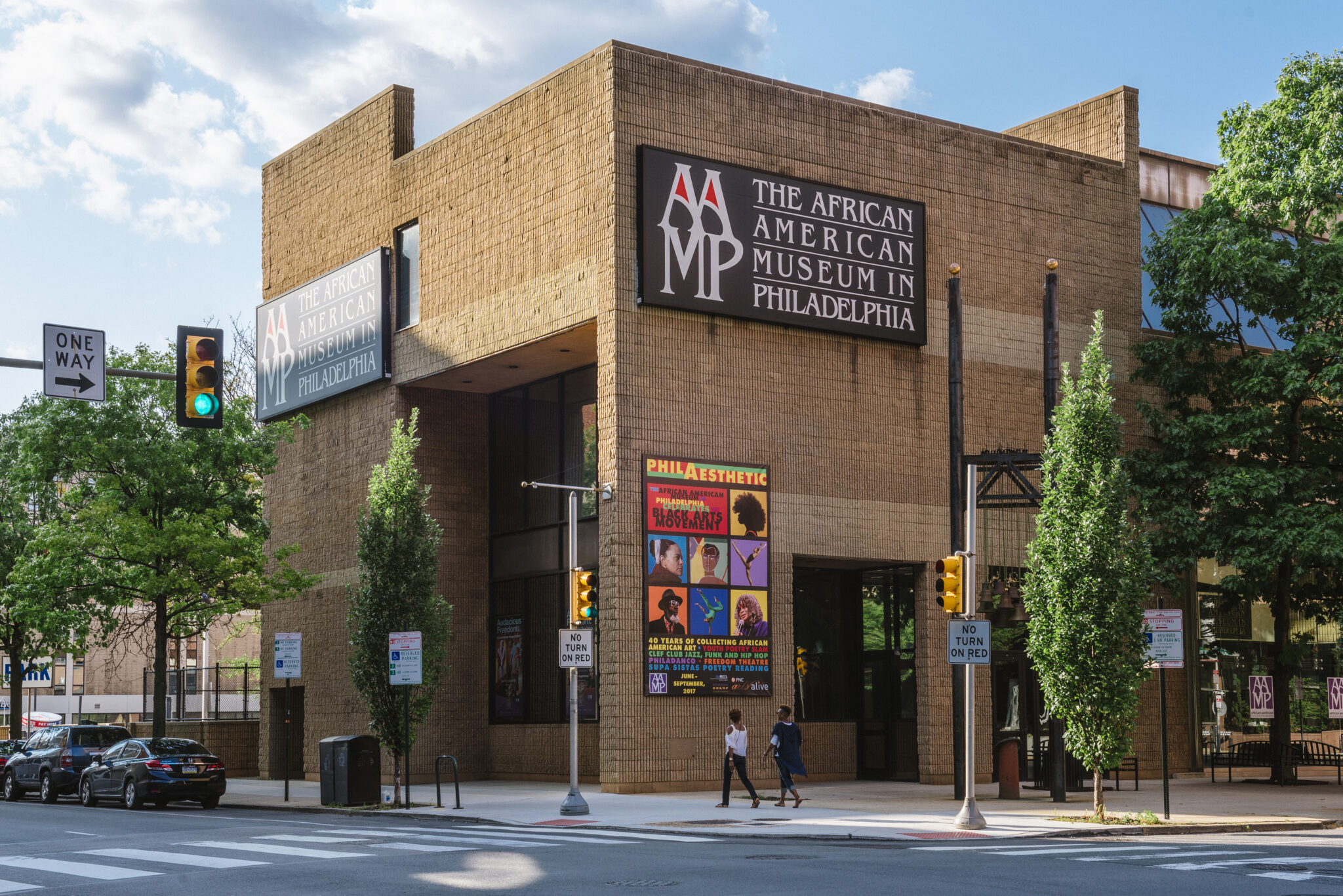
Today, there are more than 60 African American museums across the country and each one is doing the work of preserving our past, honoring our people, and making sure the next generation sees the full truth.
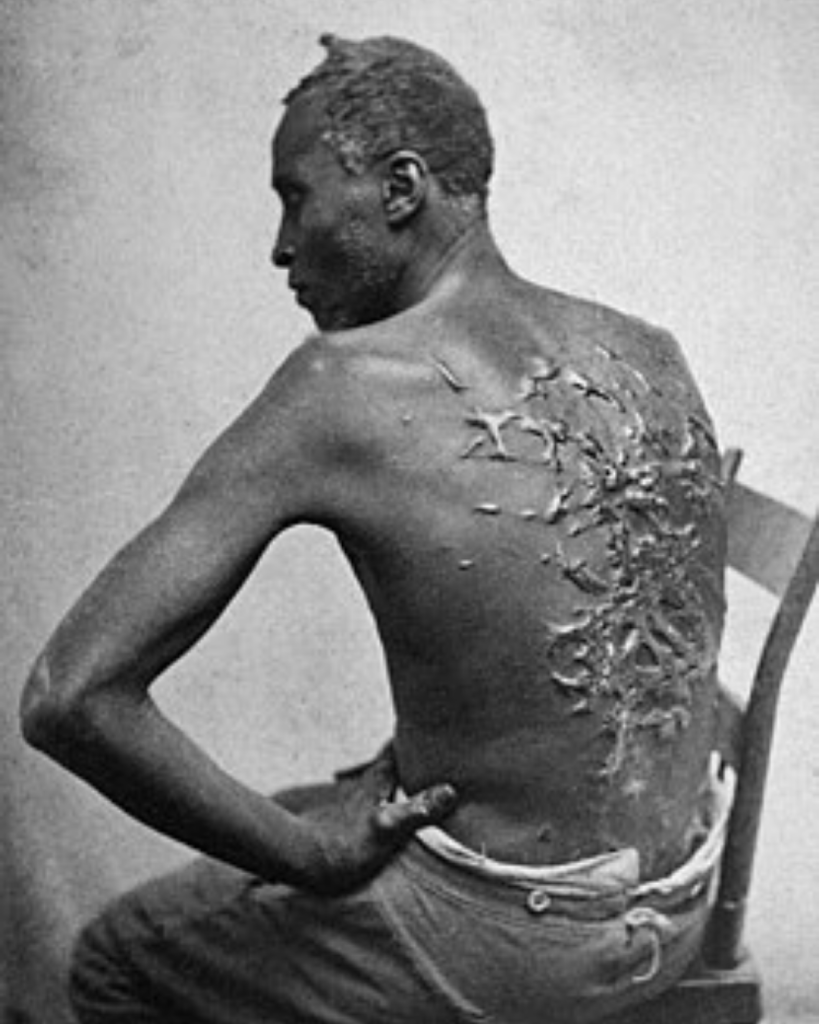
History doesn’t become less true just because it makes some people uncomfortable. As a matter of fact, museums don’t create narratives… they preserve them. And that preservation is powerful and necessary.
Silencing truth is how injustice survives. Preserving it is how we break the cycle.
So yes… museums matter.
Black museums matter.
The NMAAHC matters.
And the people who fight to keep our stories alive matter, too.
Visit them. Support them. Take your family. And work to preserve your own history, too — in journals, in photographs, in stories told around the dinner table.