Fannie Barrier Williams
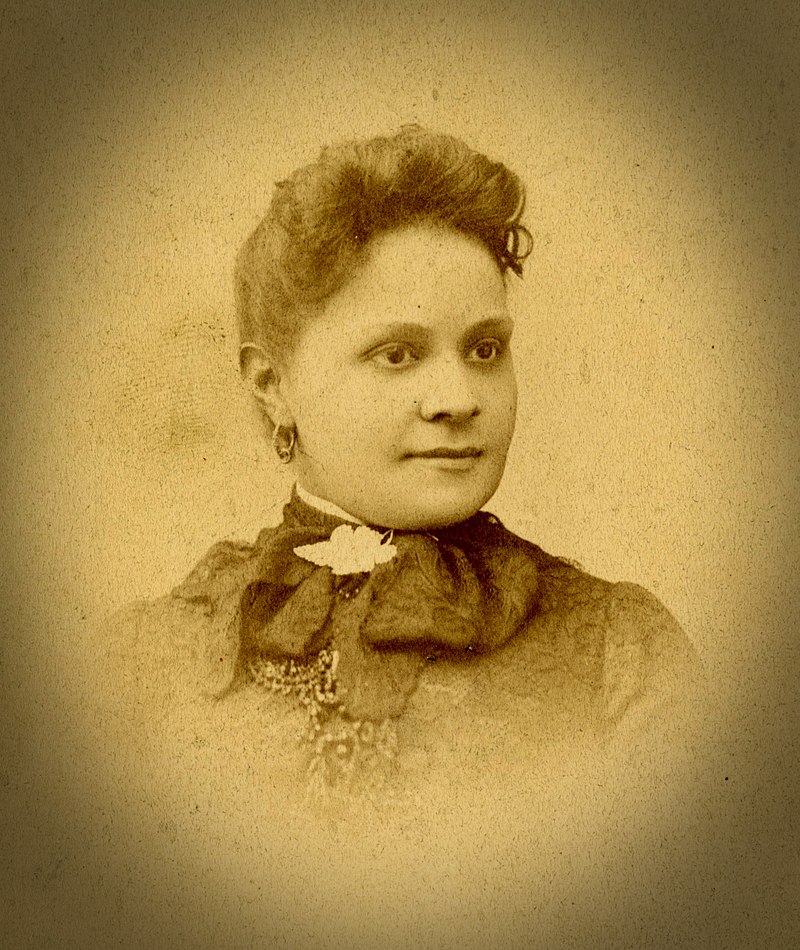
Fannie Barrier Williams was an educator, activist, and public intellectual who fought for Black women's inclusion in the institutions and opportunities of American life during the late nineteenth and early twentieth centuries. In 1893, she delivered a landmark address at the World's Columbian Exposition in Chicago, speaking to an international audience about the unique challenges facing Black women — one of the first times a Black woman addressed such a prominent platform.
Born in Brockport, New York, in 1855 to a prominent free Black family, Williams grew up in a largely white community with relatively little direct exposure to racial prejudice. It was when she moved south to teach after graduating from the New England Conservatory of Music that she first encountered the full weight of Jim Crow — an experience that radicalized her commitment to racial justice.
Williams spent years fighting to integrate Chicago's institutions. Her 1894 application to the Chicago Women's Club sparked a fourteen-month battle that ultimately resulted in the club's first Black member. She co-founded the National League of Colored Women and advocated tirelessly for Black women's access to education, employment, and the vote.
The colored people of this country have reached a distinctly new era in their career so quickly that the country has hardly had time to recognize it.— Fannie Barrier Williams
Key Milestones
A Life in Firsts
Keep Exploring